Product Feature
इन्जिनियर गरिएको सिमेन्टियस कम्पोजिट एक विशेष इन्जिनियरिङ सामग्री हो जसमा असाधारण विरूपण क्षमता र उच्च क्षति सहिष्णुता छ, यसको मुख्य फाइदाहरूले विभिन्न जटिल निर्माण परिदृश्यहरूमा अनुकूलन गर्न सक्षम गर्दछ।
उत्कृष्ट मेकानिकल गुणहरू: तन्य तनाव प्रतिरोध 3% ~ 8% सम्म पुग्न सक्छ, कम्प्रेसिभ विरूपण क्षमता 2 ~ 3 गुणाले बढेको छ, संरचनाको लोड-असर क्षमता क्र्याकिंग पछि कायम गर्न सकिन्छ, र भंगुर फ्र्याक्चरबाट बच्नको लागि झुक्दा धेरै राम्रो दरारहरू देखा पर्न सक्छन्।
उत्कृष्ट स्थायित्व: माइक्रो-क्र्याकहरूले बलियो आत्म-उपचार क्षमता प्रदर्शन गर्दछ, हानिकारक आयन पारगम्यतालाई परम्परागत कंक्रीटको 1/10 मा घटाइन्छ। यसको फ्रस्ट प्रतिरोध र जंग प्रतिरोध 40% भन्दा बढि बढाइएको छ, 20-30 वर्ष सम्म संरचनाहरूको सेवा जीवन विस्तार।
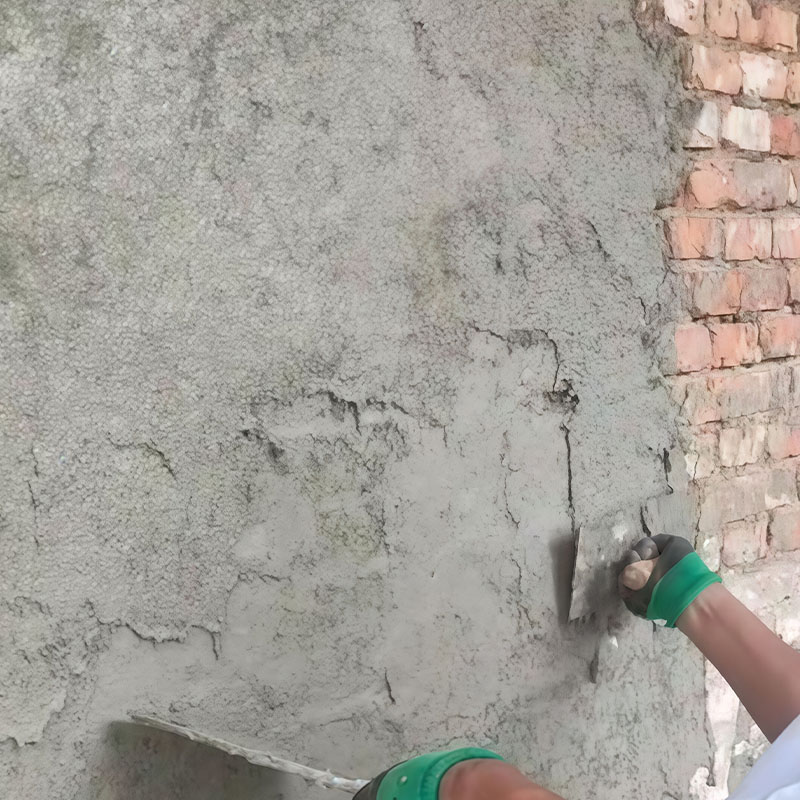
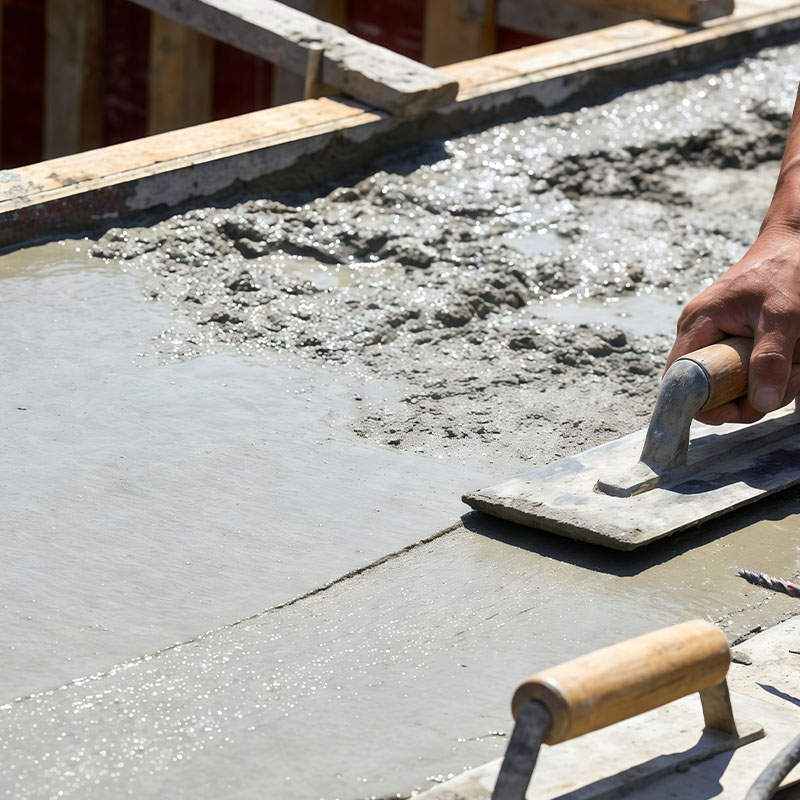
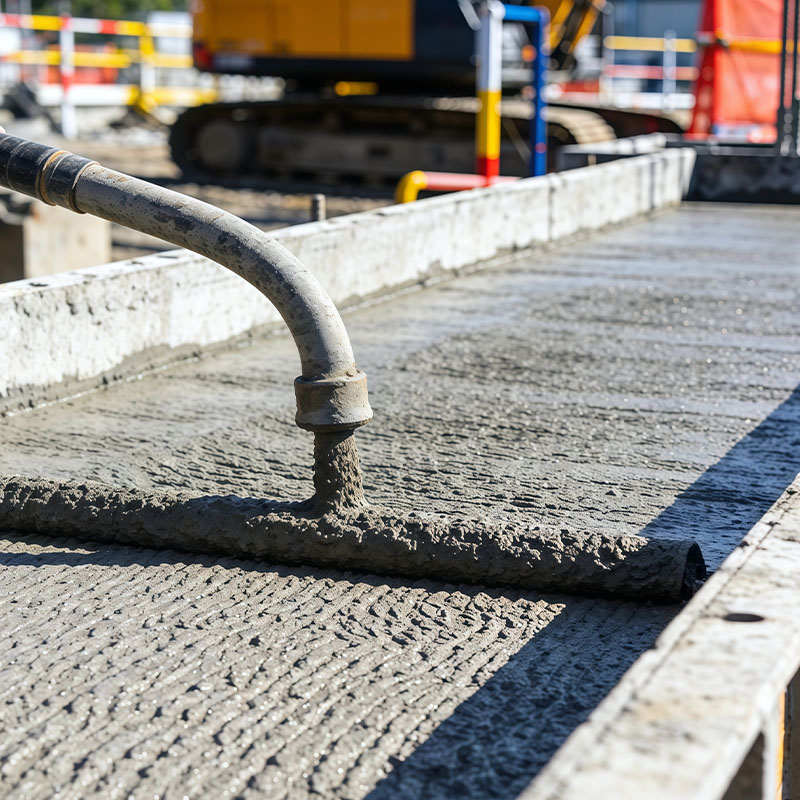
उच्च निर्माण अनुकूलन क्षमता: यसलाई पम्प वा स्प्रे गर्न सकिन्छ, सामान्य कंक्रीटसँग तुलना गर्न सकिने कार्यशीलताको साथ। कुनै विशेष निर्माण उपकरणहरू आवश्यक पर्दैन, र यो अवस्थित निर्माण प्रक्रियाहरूसँग राम्रोसँग फिट हुन्छ।
उच्च-तीव्रता भूकम्प क्षेत्रहरूमा भवन संरचनाहरूको भूकम्पीय प्रबलीकरणमा उच्च लचीलापन कंक्रीट व्यापक रूपमा प्रयोग गरिन्छ। यो विशेष गरी पुरानो आवासीय समुदायहरूको पुनर्निर्माण र ऐतिहासिक र सांस्कृतिक सम्पदा भवनहरू पुनर्स्थापना गर्न उपयुक्त छ, संरचनात्मक आत्म-भारलाई उल्लेखनीय रूपमा वृद्धि नगरी भूकम्प प्रतिरोधलाई १-२ डिग्रीले बढाउन सक्षम छ।
उच्च-फ्रिक्वेन्सी र हेवी-लोड परियोजनाहरू जस्तै लामो-स्प्यान पुलहरू, उच्च-गति रेलवेहरूको लागि ब्यालेस्टलेस ट्र्याकहरू, र एयरपोर्ट रनवेहरूले थकान क्र्याकिंगको जोखिमलाई उल्लेखनीय रूपमा कम गर्छ।
उच्च संरचनात्मक अखण्डता आवश्यकताहरू भएका विशेष परिदृश्यहरू, जस्तै भूमिगत उपयोगिता टनेलहरू, नागरिक वायु रक्षा सुविधाहरू, र आणविक ऊर्जा प्लान्टहरू, दीर्घकालीन सञ्चालन र मर्मत लागत घटाउन सक्छन्।